-
NEET for BPT from 2026–27: A Physiotherapist’s Perspective on the New NCAHP Admission Framework
Introduction: A Defining Moment for Physiotherapy in India Physiotherapy in India has long required stronger academic standardization and parity with other healthcare professions. With the National Commission for Allied and Healthcare Professions (NCAHP) formally aligning Bachelor of Physiotherapy (BPT) admissions with NEET (UG) from the Academic Year 2026–27, the profession enters a new regulatory phase.…
-
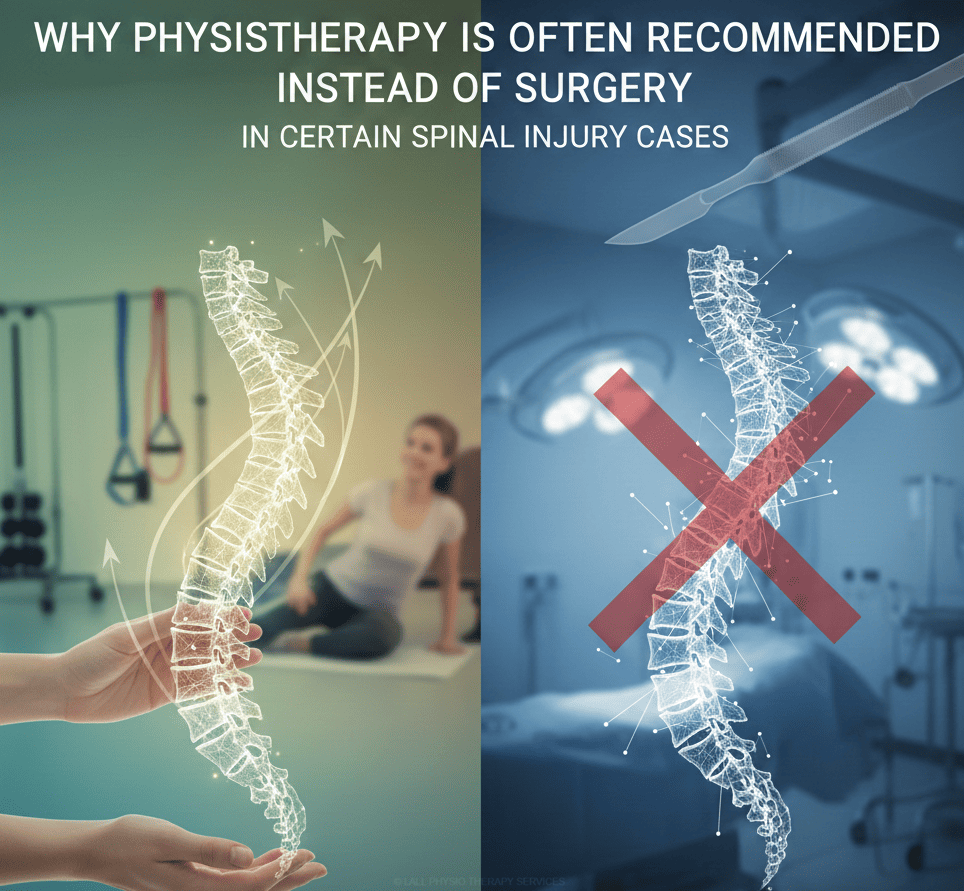
Why Physiotherapy Is Often Recommended Instead of Surgery in Certain Spinal Injury Cases
One of the most common sights in a physiotherapy is a patient walking in, clutching an MRI folder with a look of pure anxiety. Usually, the first question isn’t about exercises or recovery times—it’s a whispered, “The doctor mentioned a spine issue… does this mean I’m heading for surgery?” If you’ve been told you have…
-
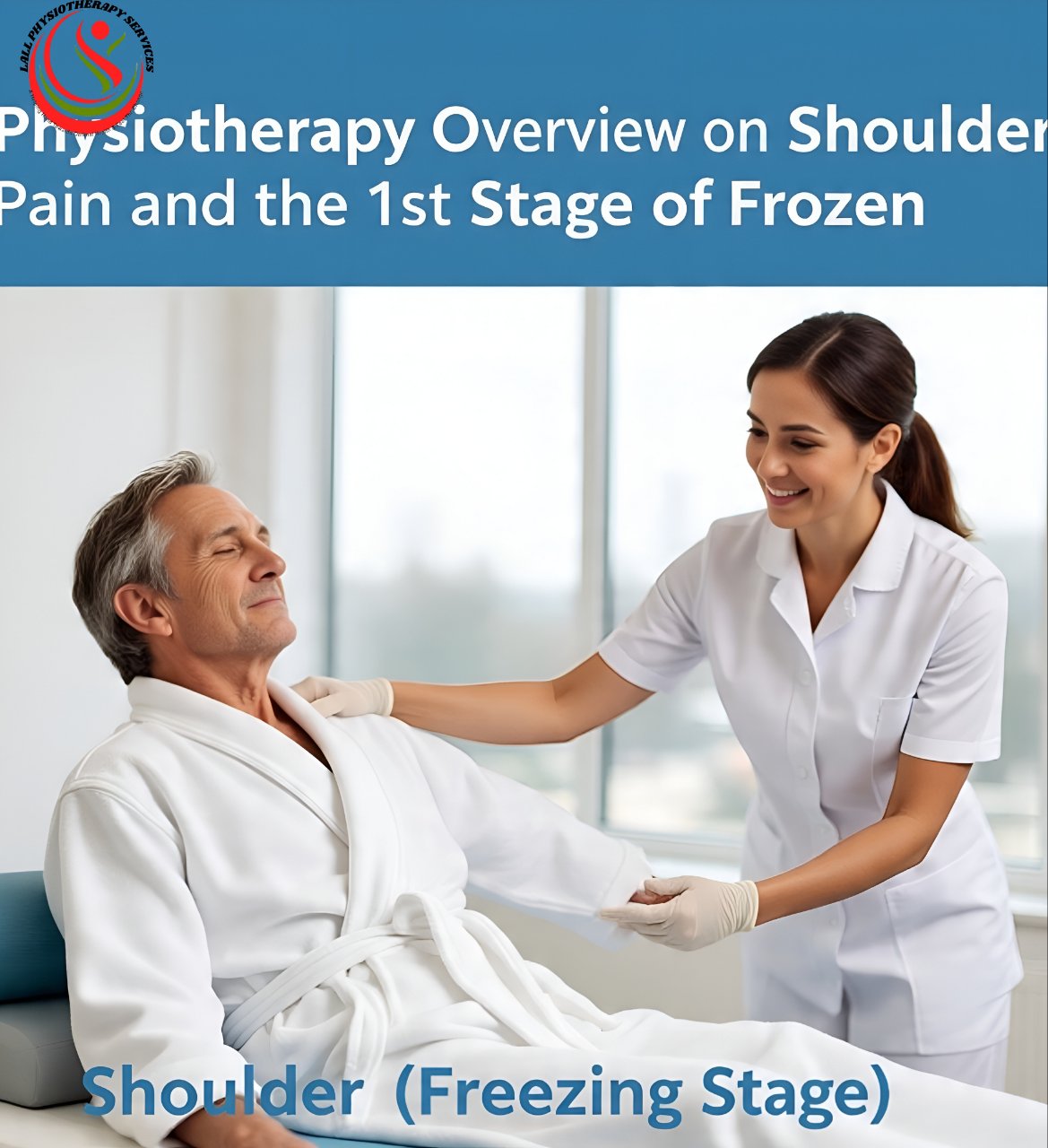
Physiotherapy Overview on Shoulder Pain and the 1st Stage of Frozen Shoulder (Freezing Stage)
Shoulder pain is one of the most disabling musculoskeletal conditions, affecting routine activities such as reaching, lifting, dressing, grooming, and sleeping. Among shoulder conditions, Frozen Shoulder (Adhesive Capsulitis) is particularly problematic because it progresses in stages and becomes more difficult to treat if ignored.
-

Physiotherapists in India Can Rightfully Use “Dr.” (PT): Legal, Ethical, and Academic Recognition Under NCAHP Act 2021
With the enforcement of the National Commission for Allied and Healthcare Professions (NCAHP) Act, 2021, India has taken a major step toward the standardization and formal recognition of Allied and Healthcare Professionals, including Physiotherapists. This legislative framework not only reaffirms their critical role in healthcare delivery but also legally endorses the usage of the professional…
-

NCAHP and Physiotherapist
Introduction Physiotherapy is a vital healthcare profession that plays a crucial role in rehabilitation, injury prevention, and overall well-being. In India, the government has introduced the National Commission for Allied and Healthcare Professions (NCAHP) Act to regulate allied health professionals, including physiotherapists. Understanding NCAHP and its significance for physiotherapists is essential for professional growth, credibility,…
-

Physiotherapy Overview on Knee Pain and Osteoarthritis
Knee pain is one of the leading causes of disability worldwide. Whether in athletes, workers, homemakers, or senior citizens, knee pain affects mobility, independence, productivity, sleep quality, and overall well-being. Among the various causes, Knee Osteoarthritis (OA) — the degeneration of joint cartilage — is the most common age-related knee problem. Painkillers may temporarily reduce…
-
Physiotherapy for Back Pain — Causes, Treatment & Exercises
Comprehensive guide to physiotherapy for back pain: causes, types, diagnosis, home vs clinic treatments, evidence-based exercises, and prevention tips.
-
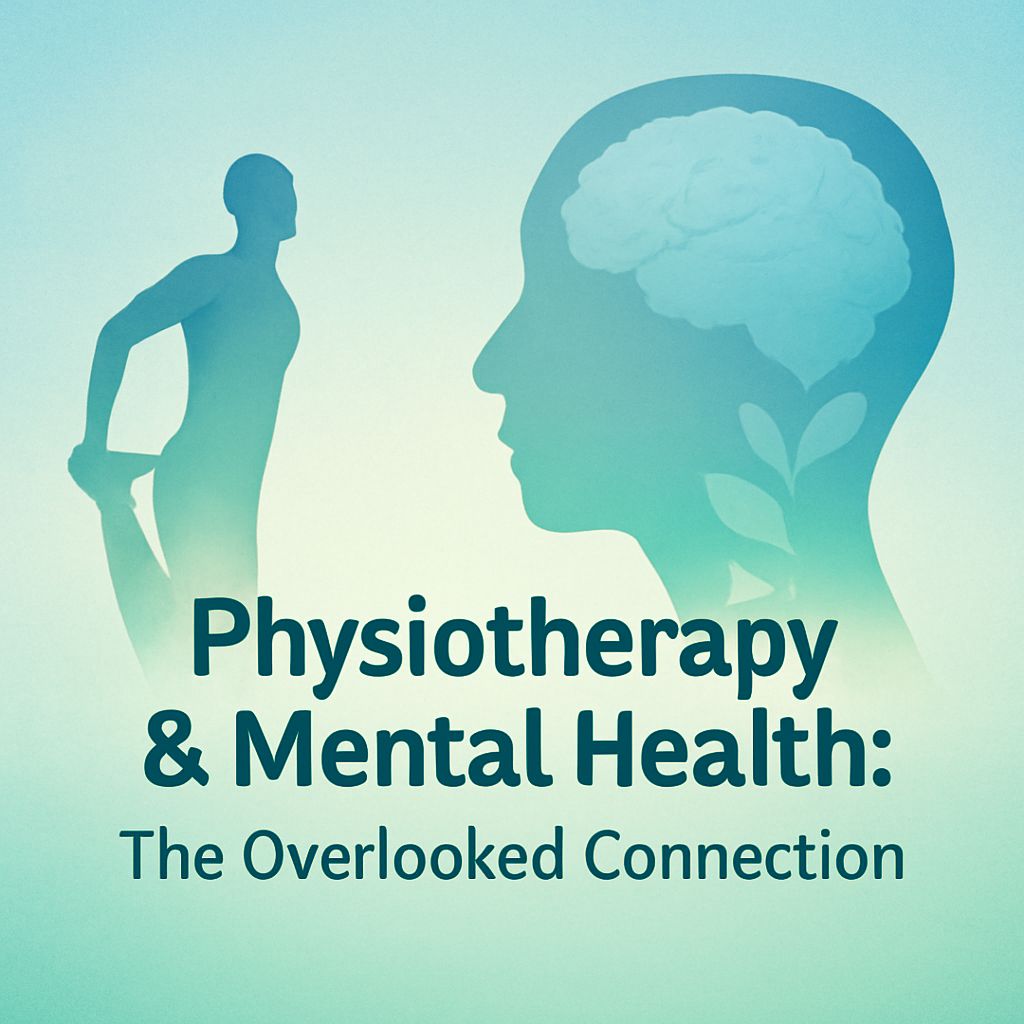
Physiotherapy & Mental Health: The Overlooked Connection
Introduction When people hear the word “physiotherapy,” they usually think of injury rehabilitation, muscle strengthening, or recovery after surgery. But there’s a powerful, often overlooked aspect of physiotherapy-its positive impact on mental health. The human body and mind are inseparable. Chronic pain, injury, or reduced mobility can deeply affect mood, cause frustration, and even lead…
-

🩺 Why Biomedical Waste Management in Physiotherapy Shouldn’t Be Ignored
Introduction Physiotherapy focuses on movement, healing, and recovery — but what about what we leave behind? Many people associate biomedical waste management (BMWM) with surgeries and hospitals. Rarely do they realize that even a standard physiotherapy session can generate medical waste that must be disposed of carefully. From disposable electrodes and gloves to used bandages…
-

Can Virtual Reality Help Athletes Recover Faster?
Introduction Athletes are constantly pushing their limits, often facing injuries that can sideline them for weeks or even months. Traditional rehabilitation methods have proven effective but can sometimes be monotonous, slow, or mentally exhausting. Virtual Reality (VR) has emerged as a game-changing technology in sports medicine, offering an immersive, engaging, and highly customized recovery process.…


 )
)