-

NEET for BPT from 2026–27: A Physiotherapist’s Perspective on the New NCAHP Admission Framework
Introduction: A Defining Moment for Physiotherapy in India Physiotherapy in India has long required stronger academic standardization and parity with other healthcare professions. With the National Commission for Allied and Healthcare Professions (NCAHP) formally aligning Bachelor of Physiotherapy (BPT) admissions with NEET (UG) from the Academic Year 2026–27, the profession enters a new regulatory phase.…
-
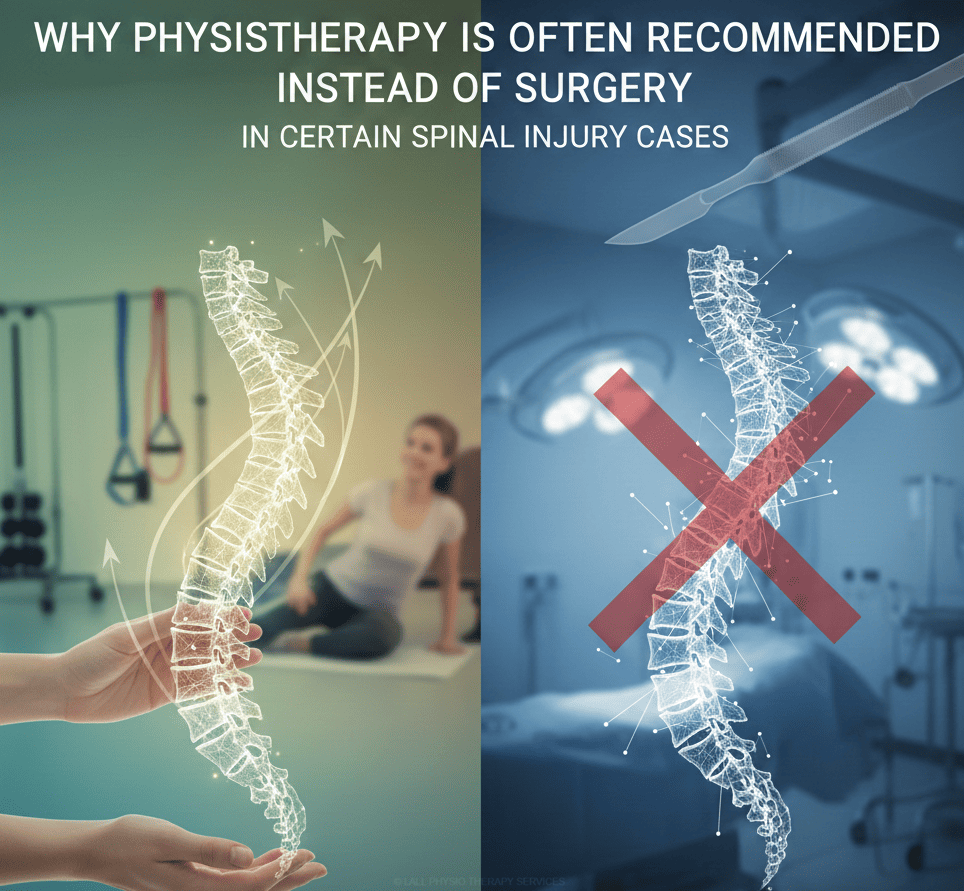
Why Physiotherapy Is Often Recommended Instead of Surgery in Certain Spinal Injury Cases
One of the most common sights in a physiotherapy is a patient walking in, clutching an MRI folder with a look of pure anxiety. Usually, the first question isn’t about exercises or recovery times—it’s a whispered, “The doctor mentioned a spine issue… does this mean I’m heading for surgery?” If you’ve been told you have…
-

Physiotherapy Overview on Shoulder Pain and the 1st Stage of Frozen Shoulder (Freezing Stage)
Shoulder pain is one of the most disabling musculoskeletal conditions, affecting routine activities such as reaching, lifting, dressing, grooming, and sleeping. Among shoulder conditions, Frozen Shoulder (Adhesive Capsulitis) is particularly problematic because it progresses in stages and becomes more difficult to treat if ignored.
-

Physiotherapists in India Can Rightfully Use “Dr.” (PT): Legal, Ethical, and Academic Recognition Under NCAHP Act 2021
With the enforcement of the National Commission for Allied and Healthcare Professions (NCAHP) Act, 2021, India has taken a major step toward the standardization and formal recognition of Allied and Healthcare Professionals, including Physiotherapists. This legislative framework not only reaffirms their critical role in healthcare delivery but also legally endorses the usage of the professional…
-

NCAHP and Physiotherapist
Introduction Physiotherapy is a vital healthcare profession that plays a crucial role in rehabilitation, injury prevention, and overall well-being. In India, the government has introduced the National Commission for Allied and Healthcare Professions (NCAHP) Act to regulate allied health professionals, including physiotherapists. Understanding NCAHP and its significance for physiotherapists is essential for professional growth, credibility,…
-

Equipment for a Sports Physio Clinic: A Complete Guide
Introduction A well-equipped sports physiotherapy clinic is essential for providing top-tier rehabilitation, injury prevention, and performance enhancement services to athletes. Investing in the right equipment can make a significant difference in patient outcomes, ensuring faster recovery and improved physical conditioning. This comprehensive guide covers the essential equipment needed for a sports physiotherapy clinic, categorized by…
-

Understanding and Managing IT Band Syndrome in Runners
Introduction Running is a fantastic way to stay fit and active, but it also comes with its share of injuries. One of the most common overuse injuries among runners is Iliotibial Band Syndrome (ITBS). This painful condition affects the iliotibial (IT) band, a thick band of fascia running along the outside of the thigh from…
-

How to Build a Successful Sports Physiotherapy Practice in India
Introduction Sports physiotherapy is a rapidly growing field, helping athletes and active individuals recover from injuries, improve performance, and prevent future issues. In India, the demand for specialized sports physiotherapy has surged due to the increasing interest in professional sports, fitness culture, and awareness of injury prevention. Establishing a thriving sports physiotherapy practice requires strategic…
-

Physiotherapy Strategies for Athletes with Hypermobile Joints
Introduction Athletes with hypermobile joints often face unique challenges in their training, performance, and injury prevention. Hypermobility, characterized by excessive joint movement beyond the normal range, can lead to joint instability, increased injury risk, and chronic pain. Physiotherapists play a crucial role in managing hypermobility by implementing targeted strategies to enhance stability, strength, and proprioception.…
-

Wearable Tech in Sports Physiotherapy: What’s New?
Introduction Sports physiotherapy is undergoing a revolutionary shift with the integration of wearable technology. From monitoring performance to aiding in injury rehabilitation, these smart devices are redefining how athletes train and recover. In this blog, we will explore the latest trends, innovations, and applications of wearable technology in sports physiotherapy, along with practical examples of…
-

Telehealth for Sports Physiotherapy: Benefits and Limitations
Introduction In the modern digital age, healthcare has embraced technology in numerous ways, and telehealth has become an integral part of physiotherapy, particularly in the field of sports rehabilitation. With athletes requiring continuous support and guidance, telehealth offers a convenient and accessible solution. However, like any innovation, it comes with both benefits and limitations. This…
-

Summer Sports Safety Tips: Hydration, Heat, and Recovery
Summer is synonymous with outdoor sports and physical activities. From soccer games to tennis matches and jogging in the park, the sunny season invites everyone to stay active. However, summer sports also come with unique challenges, including hydration management, heat exposure, and effective recovery. This comprehensive guide offers detailed tips and strategies to ensure you…
-

Frozen Shoulder
Introduction Frozen shoulder, also known as adhesive capsulitis, is a condition that affects the shoulder joint, causing pain and stiffness that progressively worsens over time. Understanding its symptoms, assessment methods, and treatment options can help individuals manage and recover effectively. In this comprehensive guide, we will explore the symptoms, diagnostic steps, and a detailed customized…
-

Preparing for Marathons: A Physiotherapist’s Checklist
Running a marathon is an incredible achievement that requires both physical and mental preparation. As a physiotherapist, I’ve seen firsthand how proper planning and training can make all the difference in performance and injury prevention. This comprehensive guide will walk you through a detailed checklist to ensure you’re ready to conquer the race. Whether you’re…
-

Why Every Team Needs a Sports Physiotherapist
Introduction In the high-stakes world of sports, athletes are constantly pushing their bodies to the limit. Whether it’s a professional league, college team, or community club, every athlete dreams of performing at their peak. However, the road to peak performance is fraught with challenges such as injuries, physical fatigue, and mental strain. This is where…


 )
)